Hi, my name is Joyce Koshy, and I am 15 years old. I live in Pennsylvania and was diagnosed with chronic pancreatitis (CP) at 13 years old. I lived with CP for two years before my doctors, family, and I decided that undergoing a Total Pancreatectomy with Islet Autotransplantation (TPIAT) was the best path forward. I’ve learned that CP doesn’t just affect the patient but also all of their loved ones. However, it has taught me countless lessons that have truly shaped who I am today. I eventually realized that although pancreatitis changed my life, it does not define my life. My hope is that, through my story, you’ll come to know that pain is never permanent.
The Journey That Changed Me
My journey began in March 2024 while my family was on spring break in Orlando, Florida. I woke up expecting a normal day but felt a slight discomfort in my stomach. Within hours, the pain became impossible to ignore. I couldn't eat, became extremely nauseous, and nearly fainted from how intense the pain was. Looking back, that day changed my life in ways I never could have imagined.
When I arrived at the hospital in Orlando, my doctors diagnosed me with idiopathic pancreatitis. Before that day, I knew absolutely nothing about pancreatitis. Because no one in my family had ever experienced pancreatitis, the diagnosis came as a complete shock..
After that first episode, my doctors explained that it was possible I might never have another one. A few months later, however, I found myself right back in the hospital around my birthday with another episode. It was clear from the scarring on my pancreas that this had been going on for longer than anyone realized. Even then, my family and I still held onto the possibility that maybe this would be the last time. Even then, we hoped each episode would be the last. But with every hospitalization, that hope slowly began to fade..
Eventually, the episodes became more frequent. What had been months between hospitalizations turned into weeks. Despite undergoing multiple ERCPs and stent placements, I continued developing pancreatic stones rapidly, and my quality of life slowly slipped away right in front of my eyes. Genetic testing later revealed that I carry a CTRC genetic variant. This gene helps protect the pancreas from damage caused by digestive enzymes, and certain variants can increase the risk of recurrent pancreatitis.
Over the last two years, I spent countless holidays, school days, and special moments in a hospital instead of making priceless memories with my friends and family. Although I usually felt "normal" between episodes, I never truly felt free. I didn’t have any friends going through my experience I felt alone, and isolated. Every day I carried the fear of wondering whether tomorrow would be another hospital admission. Pancreatitis didn’t just affect me. My family's life became unpredictable, and that uncertainty was almost as difficult as the pain itself.
The hardest part wasn't just being sick—it was feeling like life kept moving while I stood still. Everything escalated quickly, and during the last few months of 2025, my episodes rapidly got worse. I knew I couldn't continue living like this, feeling that no matter how hard I worked, I was always trying to catch up to the life I wanted to be living.
Although I never felt completely ready to undergo the TPIAT, there came a point when it stopped being about whether I wanted the surgery. It became about recognizing that I needed it. Imaging confirmed that I had CP. Because my pancreas had become severely scarred and repeated ERCPs with stent placements were no longer helping, my doctors recommended surgery as the best long-term option. Accepting that was one of the hardest decisions my family and I have ever made.
I ended school early and knew I'd have to leave my loved ones for a little while. I truly felt sad missing out on field trips, hang outs, and all the end of year activities, especially with this being my last year at this school. I finished 9th grade through online school. My mom, dad, and brother came with me to Ohio. Although my brother went back home to finish school, my parents never left my side.
On May 5, 2026, I underwent the TPIAT. I felt anxious, scared, hopeful, grateful, and full of faith.. I knew when I’d wake up from surgery everything would be different. I woke up in severe pain, adjusting to life with diabetes, barely able to move, and wondering how I would get through recovery. However, I was always surrounded by unconditional love that helped me keep pushing.
One sentence that still feels surreal to say is: "I will never have another episode of pancreatitis again."
In full transparency, recovery was—and still is—not easy. I want to be back to “normal” but rebuilding the stamina I had pre-surgery is challenging. There are new challenges every day, but for the first time in over two years, my future doesn't feel controlled by uncertainty. I no longer go to bed wondering if tomorrow will end with another hospitalization. That sense of freedom is something I will never take for granted.
The Power of Communities
For a long time, I felt completely alone. Because CP is such a rare disease, I didn't know anyone my age who could truly relate to my experience.
That changed when my team at Children's Hospital of Philadelphia (CHOP) introduced my family and me to The National Pancreas Foundation (NPF), and especially when I attended Camp Hope in 2025. For the first time, I was surrounded by people who didn't need an explanation. When I stayed at camp, everyone understood the hospitalizations, procedures, medications, diabetes, surgeries, and the emotional weight that comes with living with pancreatic disease. I was able to meet and communicate others who went through this surgery, and hearing how much their lives had improved after surgery helped me make one of the hardest decisions of my life.
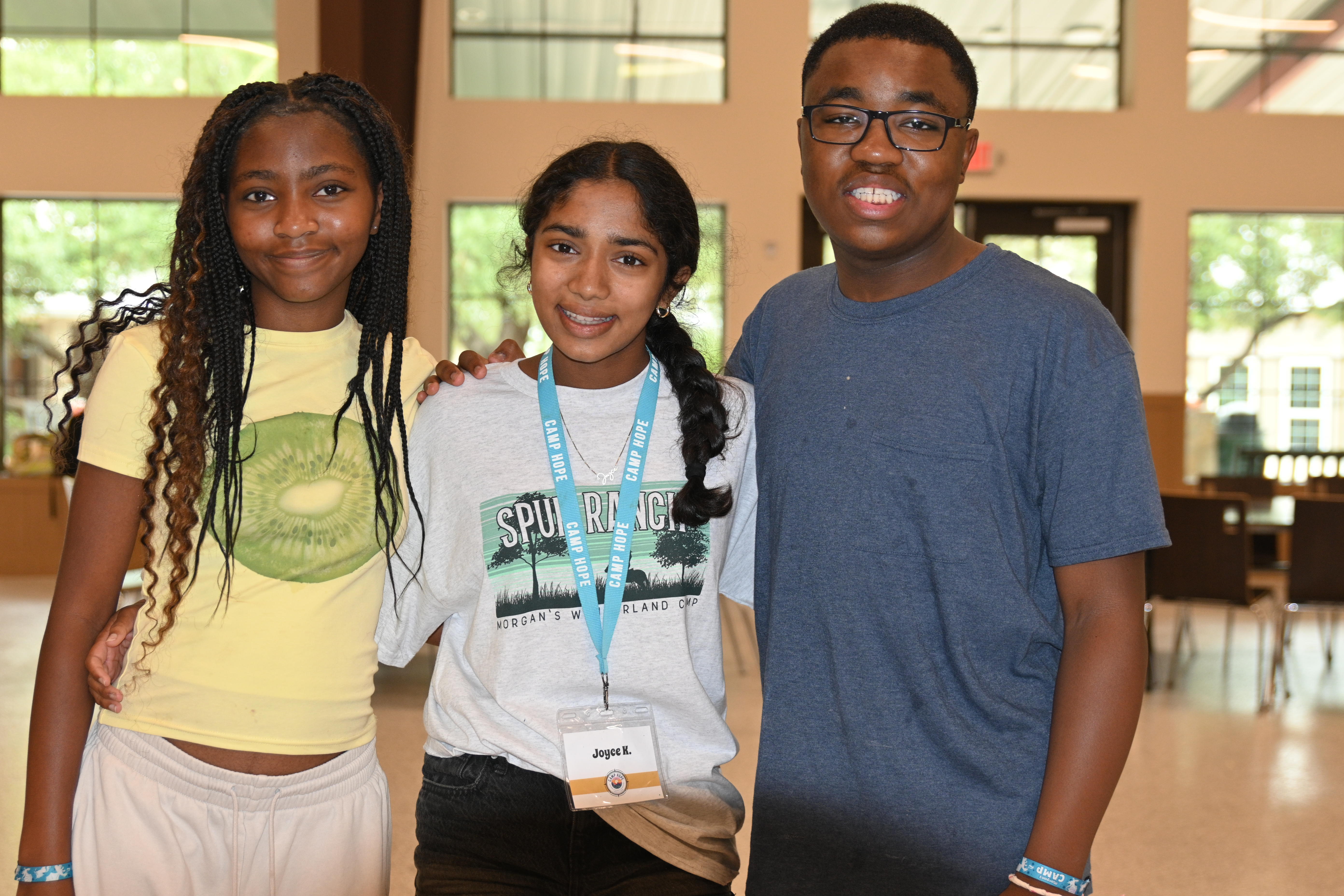
Through Camp Hope, The NPF, and the incredible teams at CHOP, Nationwide Children's Hospital, and Ronald McDonald House of Columbus, I found a community that continues to encourage me every step of the way.
Three Lessons That Changed My Life
Living with CP and undergoing the TPIAT has changed me for the better in countless ways. It has taught me grit, gratitude, and the importance of having a strong community around you, even during life's hardest moments.
Beyond all my past pain lies a purpose where I hope to continue advocating for children with pancreatitis. I want to help increase awareness so that no child ever has to believe this diagnosis means facing life alone.
1. You grow through what you go through.
The hardest moments of my life ultimately became the moments that shaped me the most. I can't say I'd ever choose to relive this journey, but I can say it has truly helped me grow in my faith, my character, and through the incredible communities that I now trust wholeheartedly.
2. It is okay to not be okay.
Eventually, I realized that healing isn't just physical—it's emotional and mental too. There were days I felt scared, frustrated, and exhausted, and that's okay. I was reminded recovery is not linear. Accepting how I truly felt instead of ignoring those emotions helped me heal in ways I never expected.
3. You are not alone.
Whether it's your family, friends, doctors, or the incredible community through The NPF and Camp Hope, I promise there are people who genuinely understand and want to support you. Asking for help isn't a sign of weakness; it's a reminder that we were never meant to carry life's hardest moments alone.
For Anyone Walking This Path
This disease is incredibly difficult, but it is only one part of your story. There will be hard days, but there will also be healing, hope, and people who understand you more than you realize.
"The National Pancreas Foundation gave me far more than resources; it gave me hope, friendships, and a community that, to this day, reminds me I was never fighting this disease alone."
Pancreatitis has changed my life, but it is not taking away my future.
This disease does not define who I am, and it most certainly does not define you either.
Caregiver’s Perspective
(Joyce’s Mom, Shaloo shares her experience as a caregiver)
The biggest challenge was the uncertainty of episodes – when will it occur? How much pain? How do we plan for healing? It often seemed like invisible pain where Joyce would be ok one day and suffer from severe pain the next day. It was hard for us all to learn to listen to her body and what it was telling us.
Watching Joyce go through TPIAT was devastating. It was hard to mentally prepare for the surgery and the unknown of it all. The surgery was only the beginning. Recovery became a marathon that required incredible strength from Joyce and our entire family. We were all amazed by the determination and resilience she showed every single day. She was a good sport and kept doing what was asked of her even though we could see her seemingly relentless pain. Jeff (dad) and I cannot imagine getting through this journey without our faith and the community that surrounded us with prayer and support.
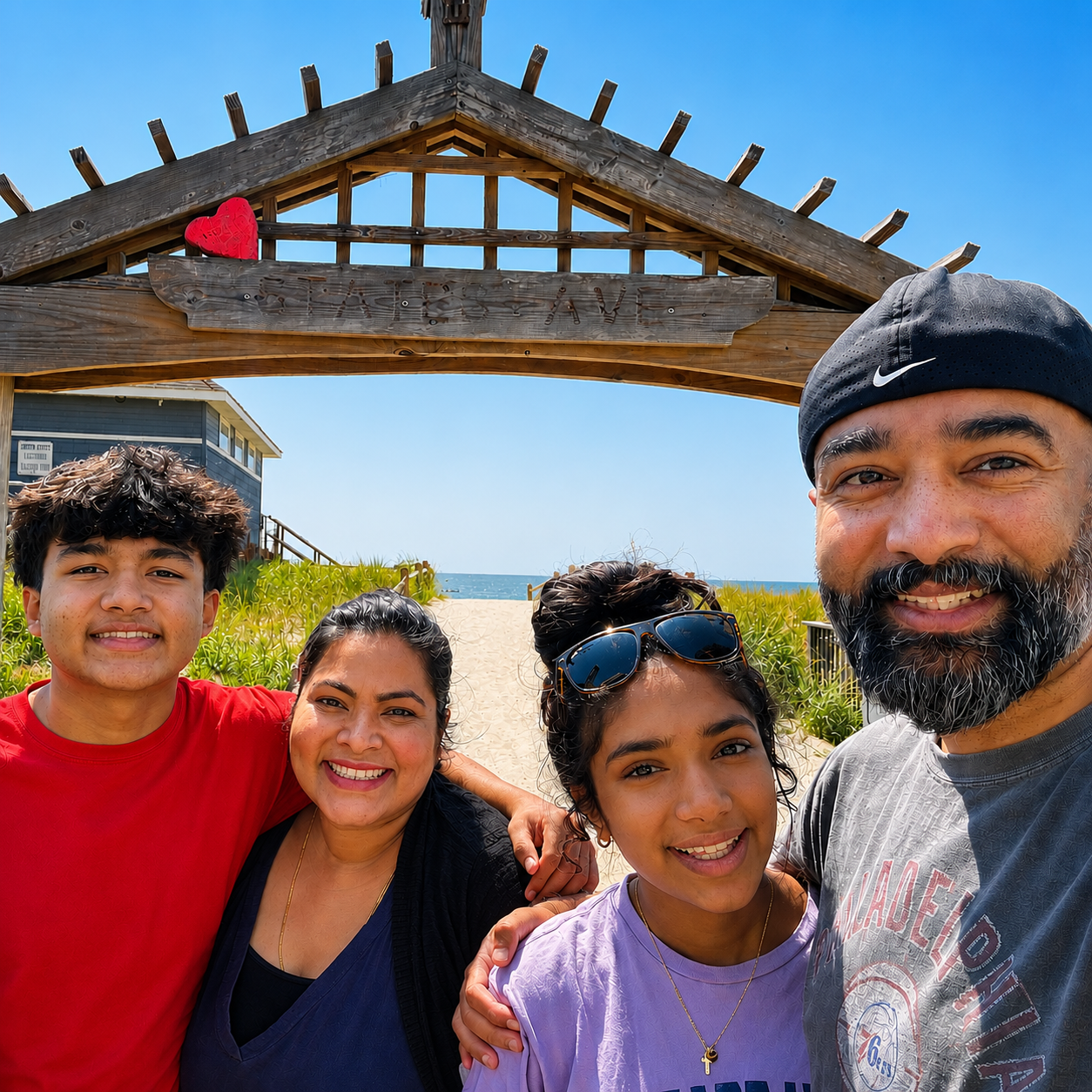
The message we would share is that they are not alone. No one should walk this journey alone. Not the parents, siblings, not the child – this is a shared battle. We read the various stories on The NPF website and Joyce found friends at CHOP and at Camp Hope and built our community.
Early on, we partnered with Joyce's school to establish a 504 Plan. We educated her teachers, classmates, and school staff about chronic pancreatitis so they could recognize when she needed help and better understand what she was facing. Resources from The National Pancreas Foundation and Mission: Cure helped our entire community learn how to support her.
- Pain and medical care can sometimes become the center of a family’s life. How did you make room for school, friendships, activities, and the hobbies Joyce enjoys while balancing her medical care?
With pancreatitis, pain and the related care can require a lot of time therefore it was very important to listen to Joyce’s body. While recovering at the hospital, Joyce always found ways to participate in the various painting, sketching activities at CHOP through child life programs. These activities became a source for stress and pain management. As Joyce got stronger, she invested in prioritizing her school work and playing catch up to get back on track. She also participated back on the school basketball team and volunteer activities. As her body healed, surrounded by her friends, she quickly resumed her schedules. There was always a fearful part in my heart, wishing to hold her back but just like she needed rest – she also very much needed the activity for there to be balance.
- How did you give Joyce a voice in her care and help her learn to become her own advocate?
Joyce has always benefited from a great medical care team that always spoke directly to her and explained the various complications. We also realized that we identified questions after the time with the doctors and nurses so we started writing timely questions on shared notes pages on our phone and sharing it with each other. We would use the shared notes pages for Joyce to ask the questions that she considered in later discussions. Dad and I quickly realized that with chronic pancreatitis, that Joyce had to use more words than a pain scale to explain her points of pain and frustrations as it was not always a clear answer on what works best.
- How did you and Jeff make sure the needs of Joyce’s siblings were also being met while navigating her illness and treatment?
Joyce has a twin brother and he often was the one person that could make her laugh or get her so angry that she could forget the pain to yell at him. Wherever we could, we involved him in the appointments and various discussions of the journey so that he also understood and could empathize with the situation. He was always a quick text or FaceTime away from her. He motivated her through her healing and understood that a lot was being asked of him as well. We relied on our community of friends and family to support him when we were away with Joyce.
- What do you wish physicians and healthcare teams understood better about caring for children with pancreatitis and their families?
I wish physicians and healthcare teams understood the amount of education and community that is required for families to fully understand this journey. We exhausted all the resources we could identify to learn, talked to other families, reached out to multiple doctors, medical teams, compared experiences and consumed it as fast as possible. We were very grateful for the resources like Rebecca’s Wish, Mission Cure, NPF and Camp Hope.
- I also like the mention of a 504 Plan, because not all parents think about it or even know what it is. What kinds of things did you tell her teachers ahead of time? (Examples: making sure she’s hydrated enough, diabetes care, breaks to visit the school RN, etc).
Before we could even discuss the 504 plans with the school, we shared all of what was happening with Joyce. The school understood our uncertainty and that we were navigating a new world. We started summarizing our learnings and educating all those that would be around Joyce. We were on a tour of educating family, friends, teachers, even our employers so that all those around could appreciate the need for patience and time during episodes. Holicong Middle School and CB East quickly became partners in the journey. Joyce was supported by guidance counselors, school nurse, teachers, coaches and friends that were now her allies in pancreatitis.