


I was 37 years old when I was first diagnosed with acute pancreatitis. As a radiology technologist, I was familiar with pancreatitis long before I experienced it myself. Before I developed pancreatitis, I had already gone through significant GI issues. In 2010, I had my common bile duct removed and my intestines rerouted because of a rare congenital condition called choledochal cysts. That surgery took two years to recover from, and afterward I was used to digestive problems and random stomach pain. But nothing compared to what I experienced with pancreatitis.
Before my first attack in 2018, I exercised five to six days a week, ate a healthy diet, and lived a very active lifestyle. I woke up in the worst pain of my life and immediately knew what it was. I called 911 and was diagnosed with acute pancreatitis (AP). An MRCP revealed pancreas divisum as the cause. I was referred to a pancreatic GI specialist and underwent two ERCP procedures with stent placement. Because of my previous surgery, only a few specialists can perform ERCPs on me due to my altered anatomy. I was told to follow a low-fat diet, and for a while I did well.
A few years later in 2022, I developed intussusception from scar tissue related to my earlier surgery and underwent an open small bowel resection. Once again, I recovered and moved forward, but everything changed on June 23, 2024. The day before had been completely normal. I spent the day at the pool, lifted weights, and finished with cardio. The next morning, I woke up with another devastating attack of pancreatitis. When I have an attack, I decline very quickly with severe pain, fainting spells, and the inability to stand. I called 911 and was rushed to the hospital. That hospitalization marked the beginning of two years filled with procedures, repeated attacks, and 115 days in the hospital.
Doctors found 9 mm stones in the tail of my pancreas, and I developed pancreatitis after every procedure. I was then diagnosed with Exocrine Pancreatic Insufficiency (EPI), requiring lifelong pancreatic enzymes. In 2024, I underwent pancreatic lithotripsy. Shortly afterward, I became critically ill, developed severe hypoglycemia from pancreatic damage, and was referred to endocrinology. Managing both pancreatitis and unstable blood sugars became incredibly difficult.
Finding a Path Forward
My health continued to worsen. I required repeated hospitalizations, more ERCPs, and additional stent placements. I often felt dismissed in the emergency room until my lab work and CT scans confirmed how sick I was. Thankfully, I had an incredible physician who knew my history, believed me, and treated me with compassion every time I was admitted.
After several unsuccessful procedures to remove the stones, my doctors confirmed my biggest fear—a complete blockage and severe damage to the tail of my pancreas. The only option was a distal pancreatectomy with splenectomy. By that time, my quality of life had declined dramatically. I was living with constant pain and barely making it through work, although I was fortunate to work from home for an organization that supported me throughout my journey.
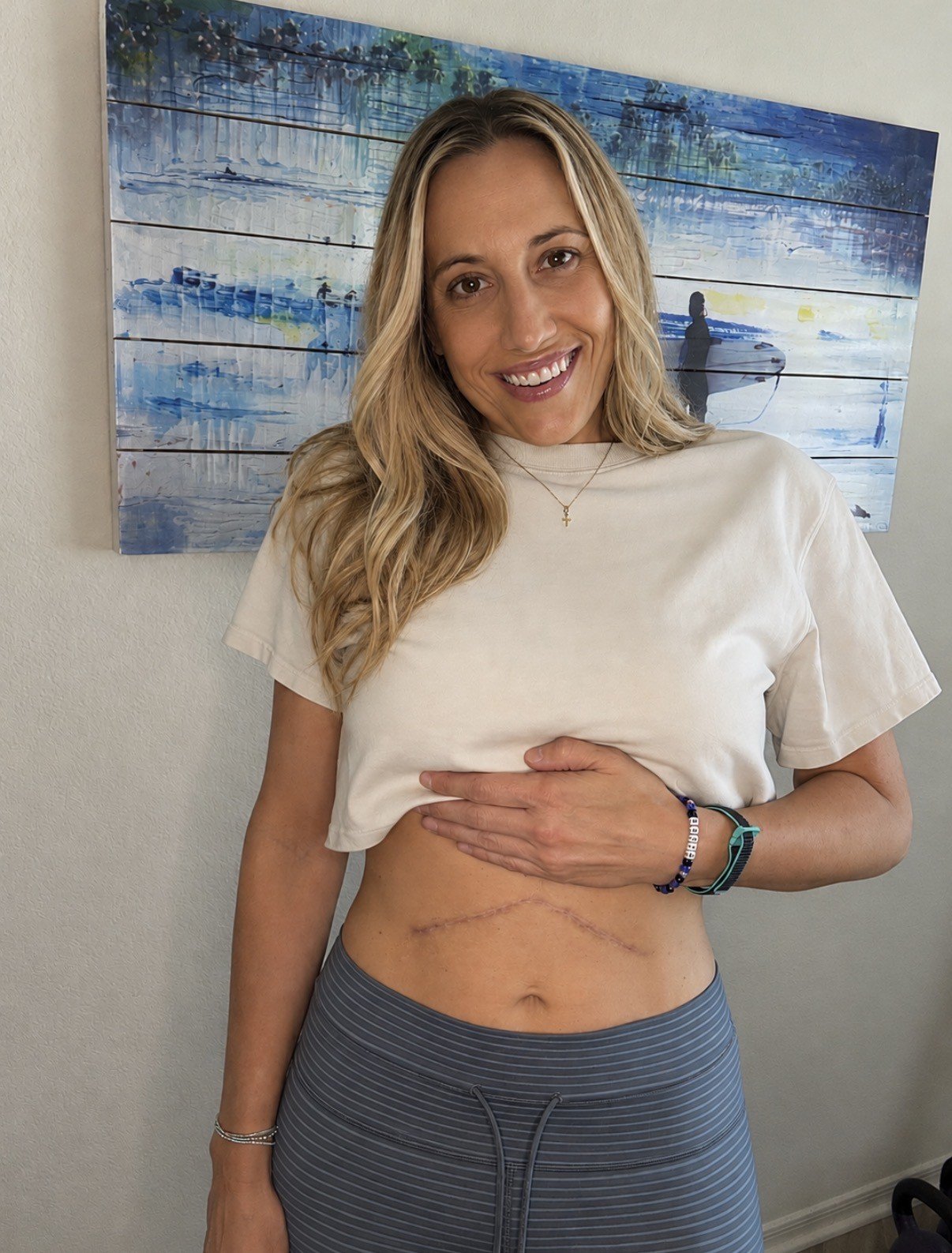
April 2026, was surgery day. I was terrified. I had been told by many people that I should undergo TPIAT, but after careful consideration and guidance from one of the country’s top pancreatic GI specialists, I chose not to. My pancreatic head was healthy, and I did not feel removing my entire pancreas was the right decision for me. When I woke up after surgery, the pain was overwhelming. My surgeon later told my parents my pancreas was in much worse condition than expected and that he had to remove 80% of it. Although it was more than anticipated, I wanted him to remove whatever was necessary because I wanted my life back.

Recovery has been the hardest thing I have ever experienced. Eating has completely changed, I lost 25 pounds that I could not afford to lose, and I remain at risk for Type 3c diabetes. I continue taking pancreatic enzymes, closely monitor my blood sugar, and required five iron infusions because of anemia. Recovery has tested my patience more than anything else in my life, but surgery has kept me out of the hospital, and for that I am grateful.
Recently, I had been having increasing pain but convinced myself it was just part of healing. I even swam 500 yards the day before to push through it. Deep down, I knew something was wrong. I went to the hospital hoping it was nothing, but after labs and a CT scan, I was diagnosed with a partial small bowel obstruction, caused by surgical adhesions. The pain was as severe as pancreatitis, and I was hospitalized for four days. Thankfully, it resolved with complete bowel rest. This experience reminded me how important it is to listen to your body and not ignore the warning signs. I pushed myself when I should have slowed down. I am hopeful that I will eventually establish care with a specialized GI team. For now, I am back on a liquid diet, working toward a low-fat, low-fiber diet, and learning to listen to my body before things become severe.
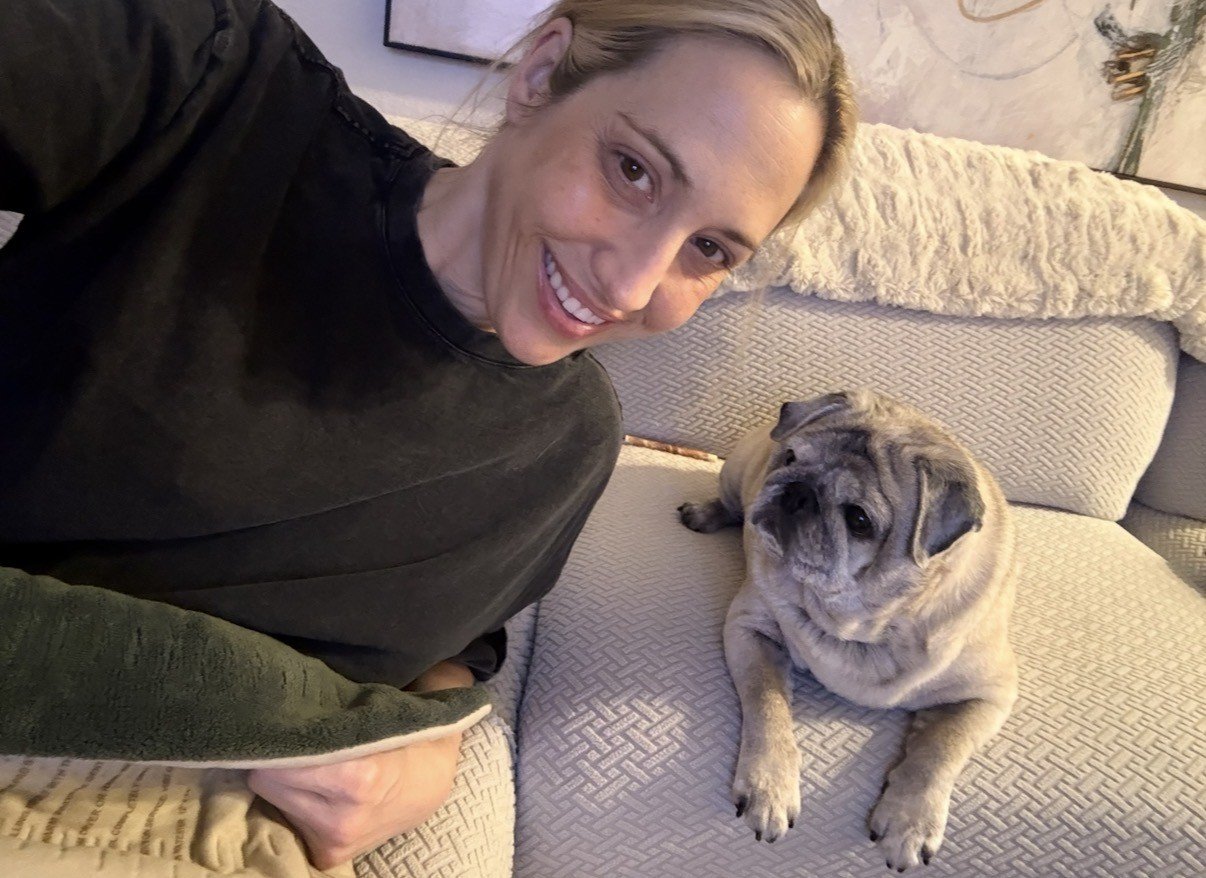
Throughout this journey, my family has been my rock. My parents carried me through the darkest days, and my pug has given me a reason to keep fighting. She truly is my world. My faith, my family, and the incredible people I have met in pancreatitis support groups have helped me continue moving forward.
Living Beyond Pancreatitis
One of those people is Ray Snow from London, whom I met through a support group. His book and podcast, Don’t Sit Up, inspired me to mentor others. He interviewed me before surgery, and we plan to record another episode about my recovery. My family and I are planning our first trip in over two years to London so I can finally meet Ray in person. I am determined not to let this illness control my life.
My career in radiology has always been my passion, and I refuse to let this disease define me. If I become diabetic, I will manage it. If I can only swim a fraction of what I once could, that is okay. I will do what my body allows me to do. Life is different now, but I am alive.
This experience has also given me a new purpose. I want to raise awareness for pancreatitis and advocate for patients. Too many people living with pancreatitis are treated as drug seekers rather than patients experiencing one of the most painful medical conditions imaginable. I developed PTSD from my emergency room experiences, and no one with pancreatitis should ever be afraid to seek emergency medical care because they fear they won’t be believed, taken seriously, or treated with compassion.
I am honored that The NPF is sharing my story. When I am well enough, I hope to volunteer and use my voice to support patients, educate healthcare professionals, and raise awareness. If sharing my experience helps even one person feel understood or receive better care, then every challenge I have faced will have meaning.
